

















Most people don’t think about their liver until a blood test shows something unusual. You feel mostly fine, maybe a little tired, maybe struggling with belly fat — but nothing that seems urgent. Then your doctor mentions fatty liver, and suddenly you start searching for answers.
The first reaction is often panic. The second is confusion. There’s so much conflicting advice online that it becomes overwhelming very quickly.
The truth is, your liver is one of the most forgiving organs in your body. It has an incredible ability to repair itself when you start treating it better. That’s important to remember.
When people talk about weight loss for fatty liver, they often imagine extreme dieting or strict food rules. But in reality, improvement usually comes from small, steady changes — not drastic measures.
Why Fat Builds Up in the First Place
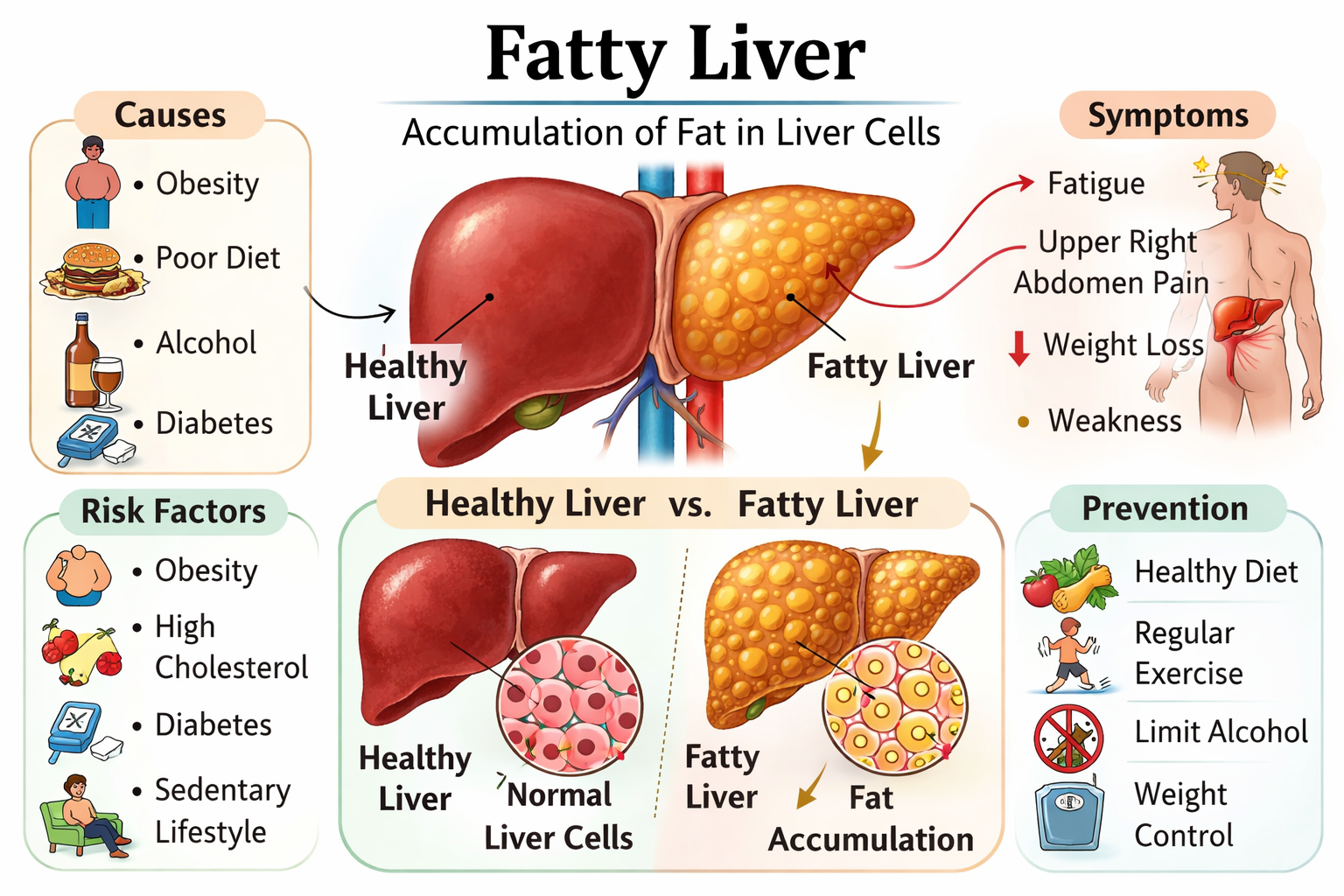
Fatty liver doesn’t happen overnight. It develops gradually from excess calories, high sugar intake, low activity levels, and sometimes stress or poor sleep. Over time, the liver starts storing more fat than it should.
The good news? Gradual problems respond well to gradual solutions.
You don’t need to starve yourself. You don’t need complicated detox plans. What your body responds to best is consistency.
Start With Simple Food Changes
Instead of completely overhauling your diet, begin with adjustments that feel manageable:
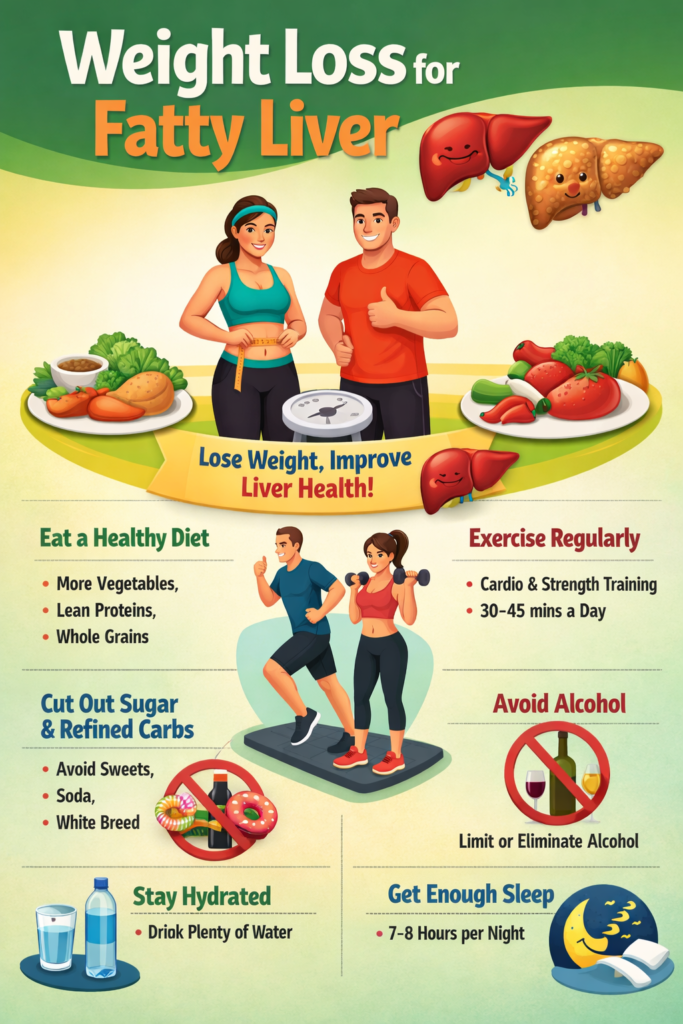
- Cut back on sugary drinks and packaged snacks
- Reduce frequent fried foods
- Add more vegetables to at least two meals daily
- Include protein in every meal to feel fuller
You don’t have to be perfect. You just have to be better than yesterday.
Many people notice that once they reduce sugar and refined foods, cravings decrease naturally. Energy becomes more stable. That alone can motivate you to keep going.
Movement Matters More Than Intensity
You don’t need extreme workouts. In fact, consistency beats intensity every time.
A 30-minute brisk walk five days a week can already start making a difference. If possible, add light strength training two or three times weekly. Building muscle helps your body process glucose better and reduces fat storage.
The key is choosing movement you can repeat long term. If you hate it, you won’t stick to it.
Sleep and Stress Are Often Ignored
Poor sleep and high stress quietly slow down progress. When you’re exhausted, hunger increases. When stress is high, emotional eating becomes more tempting.
Improving sleep quality alone can sometimes reduce late-night cravings and help your body regulate hormones better.
What Results Should You Expect?
You don’t need dramatic weight loss. Even losing 5–10% of your body weight can significantly improve liver markers. That’s often much less than people expect — and much more achievable.
Think months, not weeks.
Ask yourself:
- Can I maintain this routine for six months?
- Does it fit into my daily life?
- Is it balanced enough to avoid burnout?
If the answer is yes, you’re on the right track.
FAQ
Q1. Can fatty liver really improve with lifestyle changes?
Ans. Yes, especially in early stages. The liver responds well to consistent improvements in diet and activity.
Q2. How fast should I try to lose weight?
Ans. Slow and steady is safer. About 0.5–1 kg per week is generally realistic and sustainable.
Q3. Do I need to eliminate all carbs?
Ans. Not necessarily. Focus on reducing added sugars and refined foods first.
Q4. Is exercise mandatory?
Ans. While diet is important, regular movement significantly supports liver recovery.
Q5. What’s the most important factor?
Ans. Consistency. Small habits repeated daily are more powerful than extreme short-term plans.
For more information, please visit our website at https://weightlossinfonow.com/ & Contact us contact@weightlossinfonow.com