


















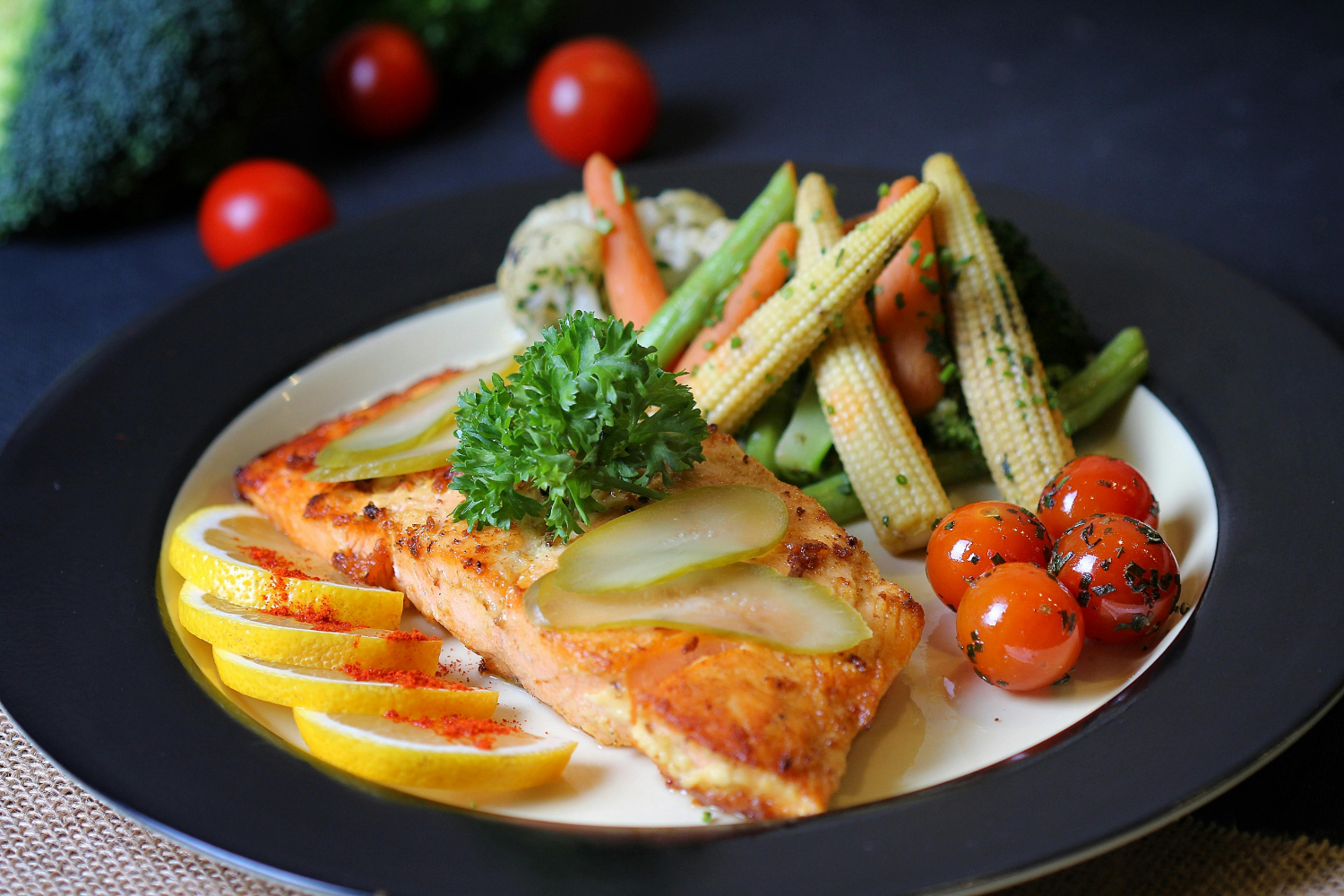
Weight loss advice today feels louder than ever. Scroll through social media for a few minutes and you’ll see dozens of strategies promising rapid transformation. Count every calorie. Avoid certain foods completely. Follow strict meal timing. For many people, the problem isn’t effort — it’s confusion.
Sustainable weight loss starts with clarity. Your body changes when you consistently create a small calorie deficit over time. That’s the foundation. Everything else is just a method to help you stay consistent.
The Real Reason Most Diets Fail
Most plans fail because they are too restrictive or unrealistic. When a strategy removes too many foods at once or demands perfection, it becomes exhausting. Life includes social events, travel, stress, and busy workdays. If your plan doesn’t allow flexibility, it won’t last.
Instead of chasing dramatic short-term results, focus on habits you can maintain for months — even years.
Understanding Structured Eating Approaches
Many people try structured plans like a low carb diet because they simplify food choices. By reducing refined carbohydrates and increasing protein intake, some individuals experience better appetite control and fewer cravings. This can make it easier to eat fewer calories naturally without feeling constantly hungry.
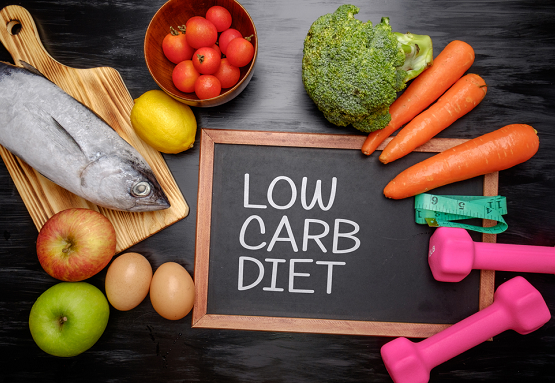
However, the effectiveness of any approach depends on sustainability. If the meals are satisfying, enjoyable, and practical for your lifestyle, consistency becomes easier.
What Actually Makes a Plan Sustainable?
Rather than focusing only on restriction, shift your attention to improvement:
- Increase protein to stay fuller longer
- Add fiber-rich vegetables to meals
- Drink more water daily
- Reduce processed snacks gradually
- Include strength training 2–3 times per week
Strength training helps preserve muscle while losing fat, which supports a healthier metabolism. Even simple bodyweight exercises can make a difference over time.
Sleep and stress management also matter more than most people realize. Poor sleep increases hunger hormones, and high stress often leads to emotional eating. Improving these two areas alone can significantly support fat loss efforts.
Why Slow Progress Is Better Than Fast Results
Rapid weight loss can feel motivating, but it’s often difficult to maintain. Gradual progress — even 0.5 to 1 kilogram per week — tends to be more sustainable. Small changes repeated consistently create long-term transformation.
Before starting any plan, ask yourself:
- Can I follow this for six months?
- Does it allow flexibility?
- Does it fit my routine and culture?
- Can I enjoy the meals?
If the answer is yes, you are more likely to succeed.
FAQ
Q1. How long does it take to see weight loss results?
Ans. Most people begin noticing small changes within 2–4 weeks if they stay consistent. Visible transformation typically takes a few months.
Q2. Is exercise necessary for weight loss?
Ans. While diet plays a major role, exercise improves fat loss, preserves muscle, and supports overall health. A combination of strength training and daily movement works best.
Q3. Can I lose weight without giving up my favorite foods?
Ans. Yes. Moderation is key. Completely removing favorite foods often leads to cravings and overeating later.
Q4. Why do I lose weight quickly at first?
Ans. Initial weight loss is often water weight. Sustainable fat loss happens gradually.
Q5. What is the most important factor for long-term success?
Ans. Consistency. A simple, realistic routine followed regularly is more powerful than an extreme plan followed briefly.
For more information, please visit our website at https://weightlossinfonow.com/ & Contact us contact@weightlossinfonow.com