
















Let’s be honest. Most weight loss attempts start with cutting things out. Less rice. No sugar. Smaller portions. Skipping dinner. For a few days, it feels manageable. Then suddenly you’re hungry all the time, thinking about food, and wondering why this feels so hard.
Sometimes the issue is not that you are eating too much. It is that you are not eating enough of the right things.
One small shift that often makes a big difference is paying attention to protein.
Why Protein Changes the Game
Have you ever noticed how quickly you feel hungry after a light snack like biscuits or toast? Now compare that to how you feel after eating eggs, curd, dal, or grilled chicken. The second meal usually keeps you satisfied much longer.
Protein takes more time to digest. Because of that, it helps control cravings and reduces the urge to snack every hour. When you feel full and steady, you naturally eat less without forcing yourself to.
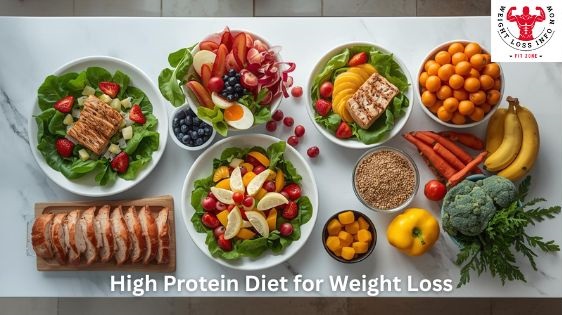
That is one reason many people see better results when they move toward a high protein diet for weight loss instead of relying mostly on low-calorie, low-nutrient foods.
It Helps You Lose Fat — Not Strength
When you reduce calories without enough protein, your body may lose muscle along with fat. That is not ideal. Muscle helps maintain your metabolism and keeps your body firm and strong.
You do not need intense gym sessions to benefit. Even basic exercises at home — squats, push-ups, or resistance band workouts — combined with proper protein intake can help your body hold on to lean muscle while you lose fat.
The goal is not just to look lighter on the scale. It is to feel stronger and more energetic.
Keep It Simple in Daily Life
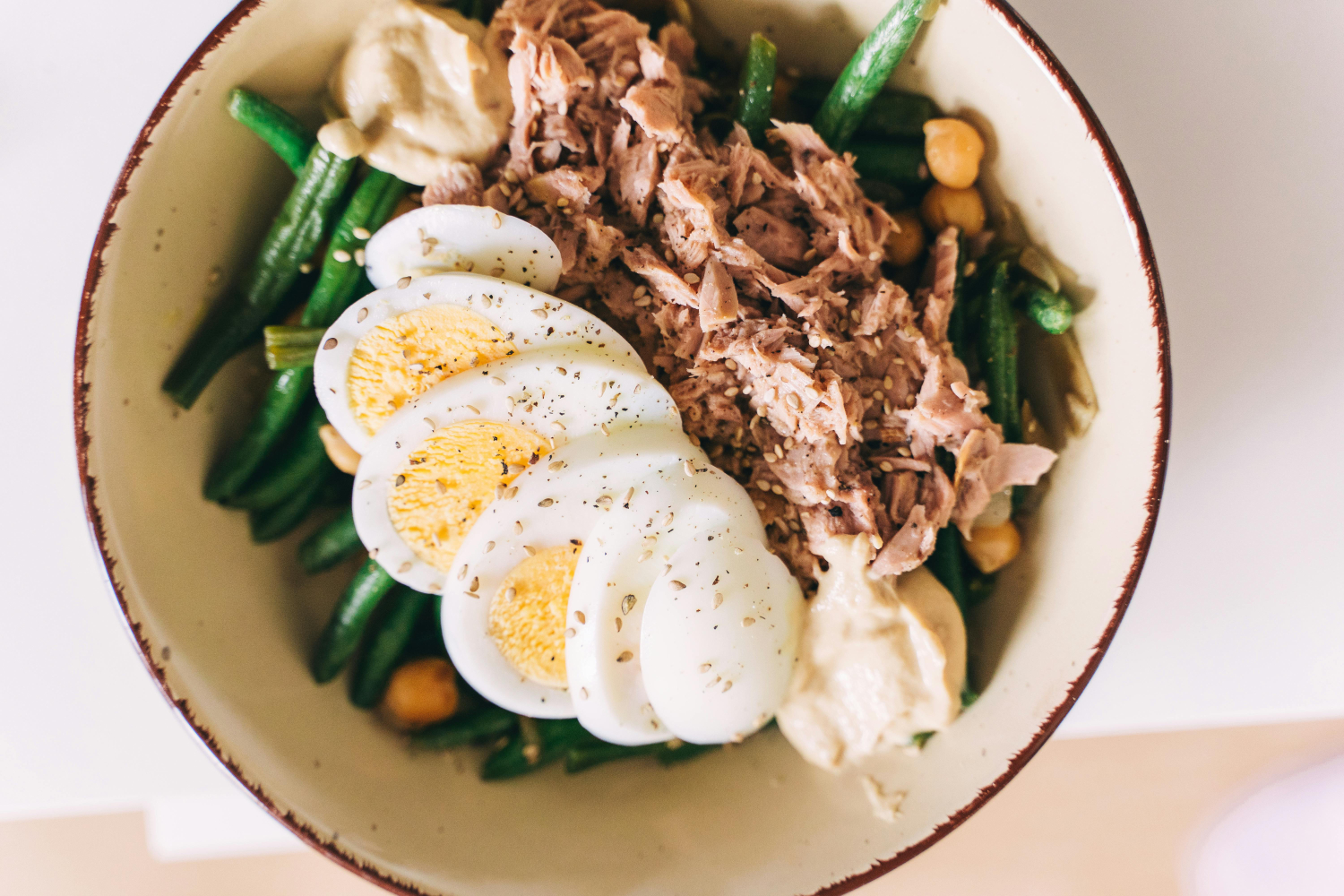
You do not need fancy meal plans or expensive supplements. Just make sure each meal has a solid protein source. Breakfast could include eggs or Greek yogurt. Lunch might include dal, paneer, tofu, or chicken. Dinner can follow the same simple structure.
Snacks matter too. Instead of reaching for packaged food, try roasted chana, nuts, or a bowl of curd. Small swaps add up over time.
Do not turn this into another strict rulebook. You can still enjoy carbohydrates and healthy fats. The key is balance, not extremes.
Make It Sustainable
Weight loss works best when it fits your real life. If your plan feels stressful or complicated, it will not last. But if your meals keep you full, your energy feels stable, and you are not constantly fighting cravings, staying consistent becomes easier.
Progress does not have to be dramatic. Slow, steady improvement is often more reliable than rapid changes that disappear just as quickly.
FAQs
Q1. How much protein is enough?
Ans. It depends on your body weight and activity level. Many people aiming to lose fat benefit from slightly increasing their daily intake, but it should still feel comfortable and realistic for you.
Q2. Can vegetarians follow this approach?
Ans. Absolutely. Lentils, beans, soy products, paneer, milk, and nuts are all useful protein sources. With a little planning, it is completely manageable.
Q3. Are protein powders necessary?
Ans. Not for everyone. Whole foods are usually enough. Supplements can help if you struggle to meet your needs, but they are optional.
Q4. Will I see results quickly?
Ans. Some people notice reduced hunger within a week. Visible fat loss takes longer. Consistency matters more than speed.
Q5. Is it safe long-term?
Ans. For most healthy individuals, balanced protein intake is safe. If you have medical conditions, especially related to kidneys, it is always better to consult a professional before making big dietary changes.
For more information, please visit our website at https://weightlossinfonow.com/ & Contact us contact@weightlossinfonow.com