


















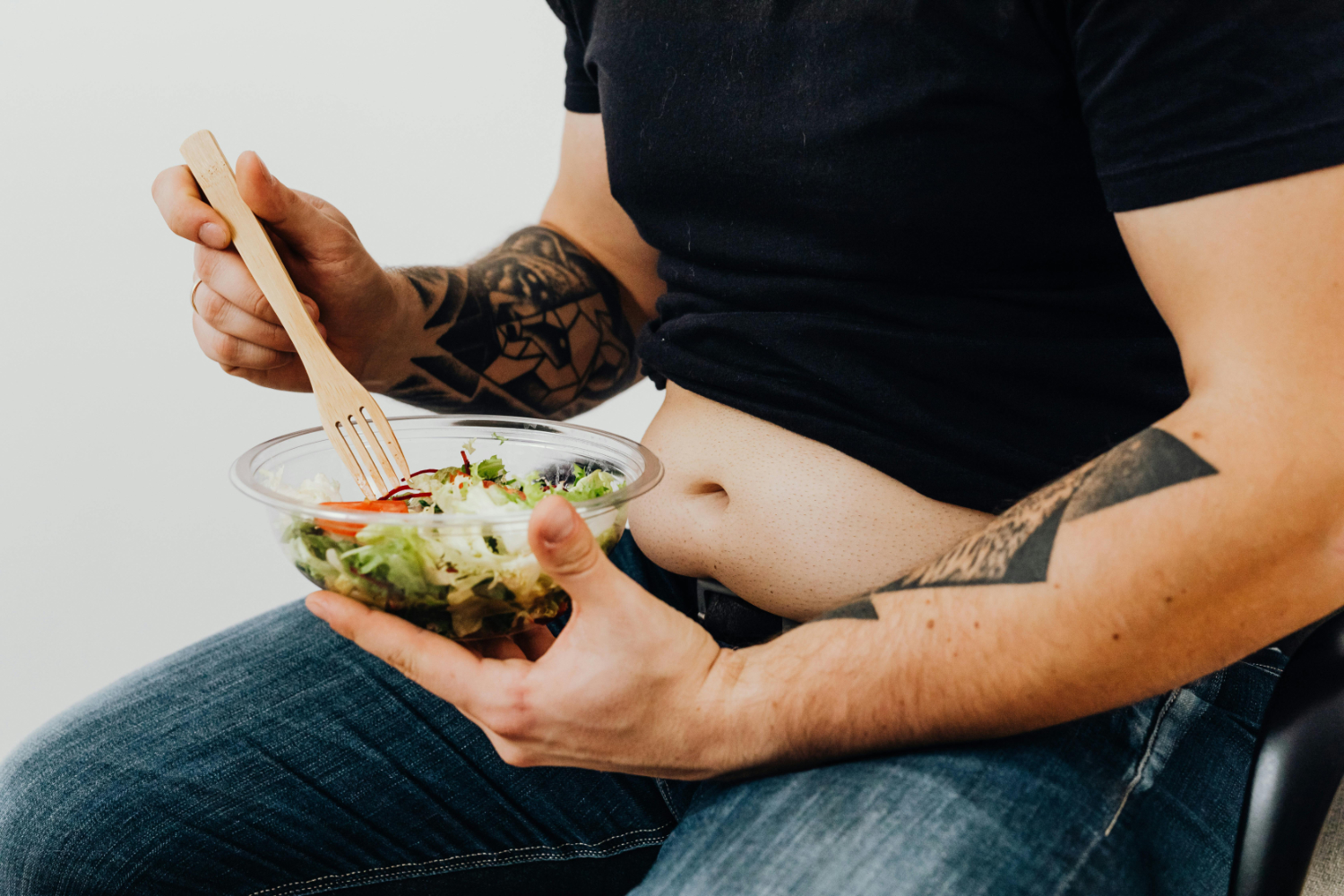
For many people, weight loss becomes frustrating because too much is changed too fast. Favorite foods disappear overnight, rules pile up, and results are expected almost immediately. That kind of pressure might work briefly, but it rarely lasts beyond a few days.
Lasting change usually comes from something much simpler. It grows out of habits that don’t feel forced—habits that still make sense on tired mornings, busy workdays, or stressful evenings.
Shifting Focus From Restriction to Nourishment
Instead of constantly thinking about what needs to be cut out, it helps to look at what the body actually needs more of. That small mindset shift can make eating feel supportive rather than exhausting.
Meals that include enough protein, natural fiber, and some healthy fats tend to keep hunger steady. Energy doesn’t crash as easily, and cravings lose their urgency. This is often where healthy eating for weight loss truly begins—not with strict rules, but with paying attention to how food makes you feel.
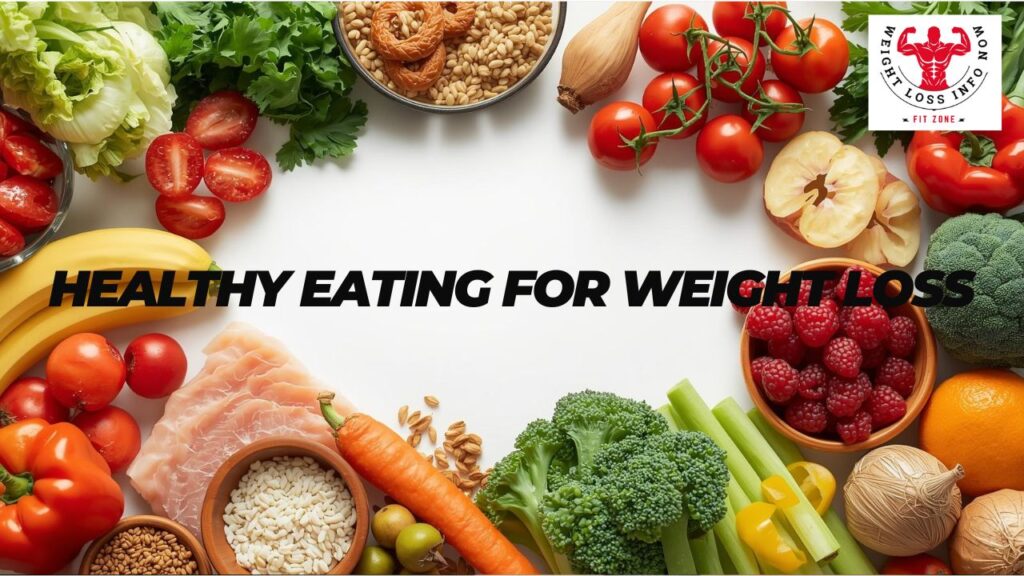
What Balanced Eating Looks Like in Real Life
Balanced eating isn’t about perfect planning or fancy ingredients. It’s more about showing up consistently with simple choices. A basic home-cooked meal, even if it’s repetitive, often supports progress better than an occasional “ideal” meal that’s hard to repeat.
Portion awareness also plays a role. Slowing down, noticing when you’re satisfied, and stopping before feeling overly full are quiet habits that help over time—without turning meals into a math problem.
Why Consistency Beats Motivation Every Time
Motivation is unreliable. Some days it’s there, other days it disappears completely. Habits don’t depend on enthusiasm—they depend on repetition.
Small routines like eating regular meals, staying hydrated, or thinking ahead about one meal can create steady momentum. These actions aren’t exciting, but they work because they’re easy to repeat, even on low-energy days.
The Mental Side Most People Ignore
Weight loss isn’t only physical. The mental side matters just as much. When food is constantly labeled as “good” or “bad,” guilt tends to follow. Guilt often leads to overeating, which then creates frustration.
Flexibility helps break that loop. Enjoying food without judgment builds a calmer relationship with eating, and that calmness makes long-term change possible.
Final Thoughts
Sustainable weight loss rarely comes with extremes. It develops through realistic habits that fit into everyday life. When eating supports both physical health and mental balance, progress happens naturally—and it’s much easier to maintain.
FAQs
Q1. How quickly can healthy habits show results?
Ans. Most people notice better digestion and energy within weeks. Visible changes follow with consistency.
Q2. Do I need to follow a strict meal plan?
Ans. No. Simple, repeatable meals often work better than rigid plans.
Q3. Is eating out always bad for weight loss?
Ans. Not at all. Awareness of portions and choices matters more than location.
Q4. Can stress affect weight loss?
Ans. Yes. High stress can increase cravings and slow progress, making lifestyle balance important.
Q5. Is occasional overeating a problem?
Ans. No. One meal never defines progress. Patterns do.
For more information, please visit our website at https://weightlossinfonow.com/ & Contact us contact@weightlossinfonow.com