


















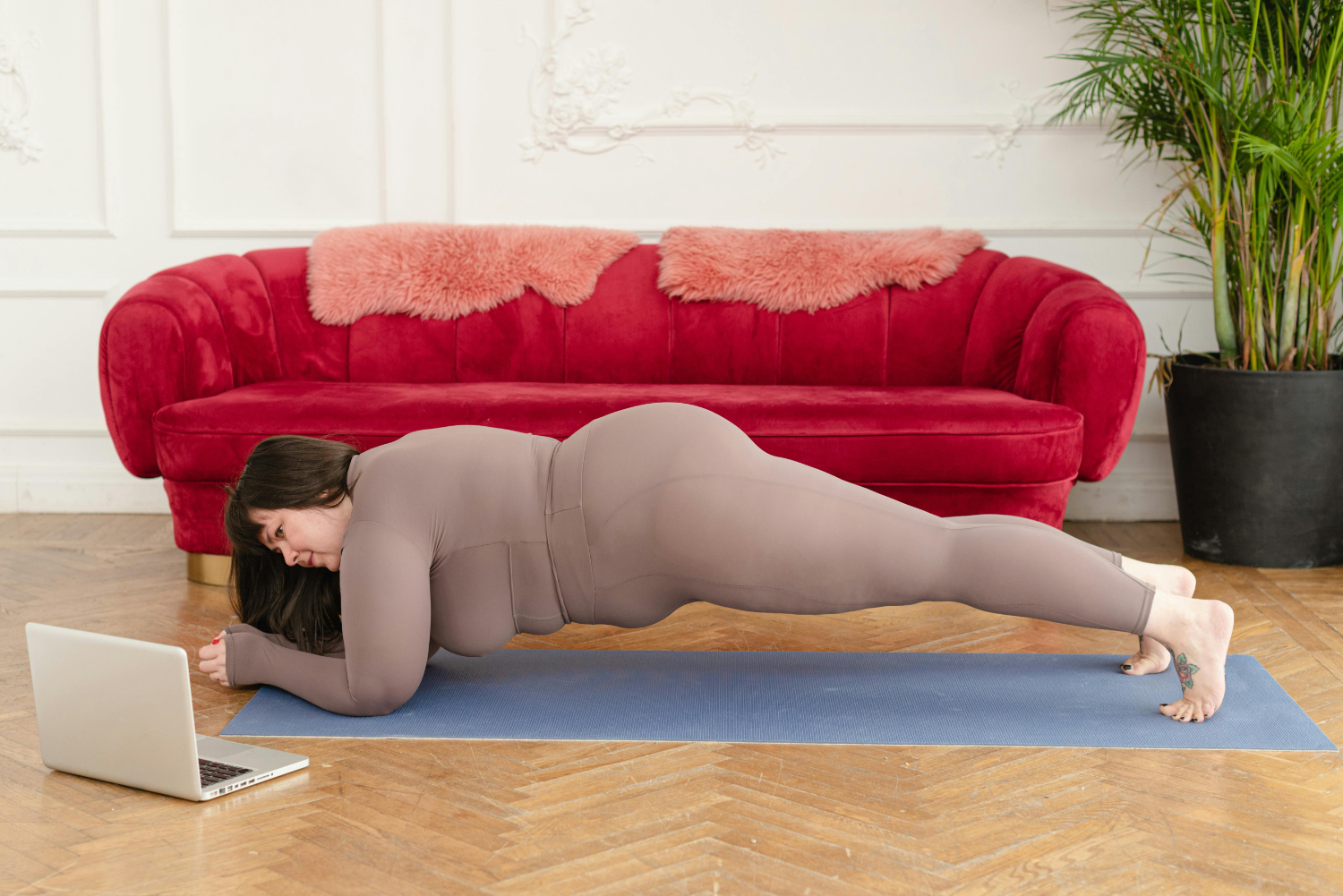
Most people don’t fail at weight loss because they’re lazy. They fail because they start with plans that don’t match their reality. Big promises, extreme routines, and unrealistic expectations usually lead to burnout within weeks.
If you’re just starting out, the goal isn’t to transform your body overnight. The real goal is to build a habit you don’t hate.
That’s why a beginner workout for weight loss should feel doable on your worst days, not just on your best ones.
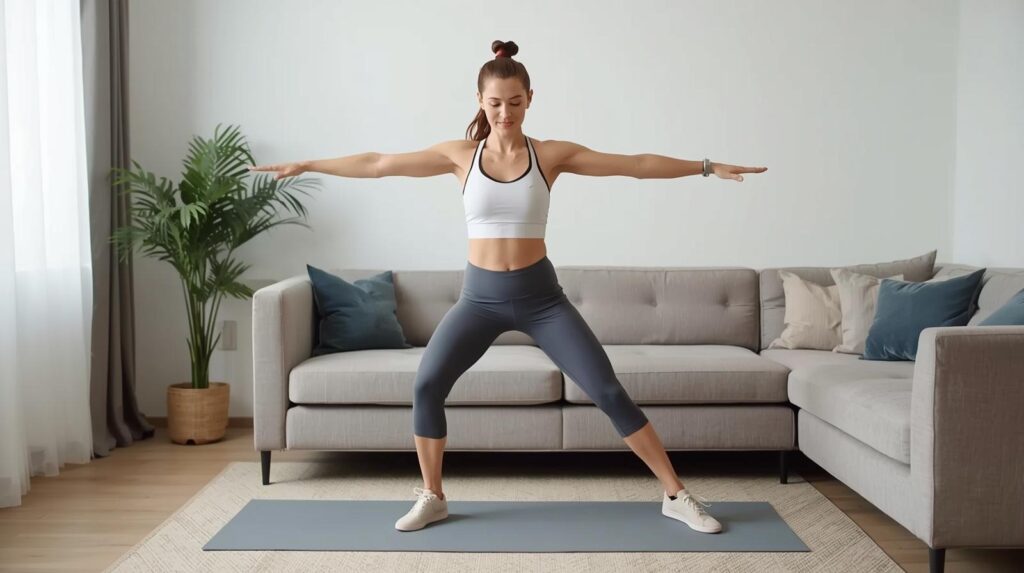
Forget “Perfect” — Focus on Showing Up
One of the biggest mistakes beginners make is trying to copy advanced workouts they see online. Those routines are often created by people who’ve been exercising for years. Comparing yourself to them is unfair and unnecessary.
In the beginning, simply moving your body is enough. Walking, stretching, and basic body movements—all of these count. Your body doesn’t know whether you’re in a gym or your living room. It only responds to movement and consistency.
Some days you’ll feel energetic. Other days, not so much. That’s normal. Progress doesn’t come from intensity every day; it comes from not quitting when motivation dips.
What a Beginner Routine Really Looks Like
A beginner routine doesn’t need to be complicated. In fact, simpler is better.
Basic movements like squats, wall push-ups, seated leg raises, or marching in place help wake up muscles that may have been inactive for a long time. These exercises improve coordination, balance, and strength — things that matter more than burning calories at the start.
Short sessions work well. Even 15–25 minutes is enough when done regularly. Over time, your stamina improves naturally, without forcing it.
The key is listening to your body. Mild soreness is okay. Sharp pain is not. Learning this difference early prevents injuries and frustration later.
Weight Loss Is More Than Just Exercise
Exercise helps, but it’s only one piece of the puzzle. Sleep, stress, and eating habits quietly influence results more than most people realize.
Skipping sleep can slow progress. Eating mindlessly can cancel out effort. That doesn’t mean you need a strict diet — it means awareness matters.
Drink more water. Eat slowly. Notice when you’re full. These small actions support your workouts without making life miserable.
Why Patience Pays Off
Beginners often expect fast visual results. When they don’t see them immediately, they assume it’s not working.
But before the scale changes, other things improve first: energy levels, mood, mobility, and confidence. These are signs you’re moving in the right direction, even if the mirror hasn’t caught up yet.
Weight loss is not a race. It’s a series of small decisions made over time.
FAQs
Q1. How many days a week should a beginner work out?
Ans. Three to five days is ideal. Rest days are important, especially in the beginning.
Q2. Is soreness normal when starting out?
Ans. Yes, light soreness is common. It usually fades as your body adapts.
Q3. Do I need equipment to get started?
Ans. No. Bodyweight exercises are more than enough for beginners.
Q4. How long before I see results?
Ans. Most people notice better energy within two weeks and physical changes in 3–6 weeks.
Q5. What if I miss a few days?
Ans. It happens. Don’t restart from zero, just continue where you left off.
For more information, please visit our website at https://weightlossinfonow.com/ & contact us contact@weightlossinfonow.com